
The NSW Planning Department’s promotion of their Housing Pattern Book designs for just $1, seems like a cost-effective solution to accelerate housing supply. But a deeper look raises some concern about the potential economic and practical pitfalls. With any new scheme a bit of adjustment as the scheme grows along with feedback from developers will iron out any bugs. We had a look over the scheme, and here are some issues that we thought were worthy of mention:
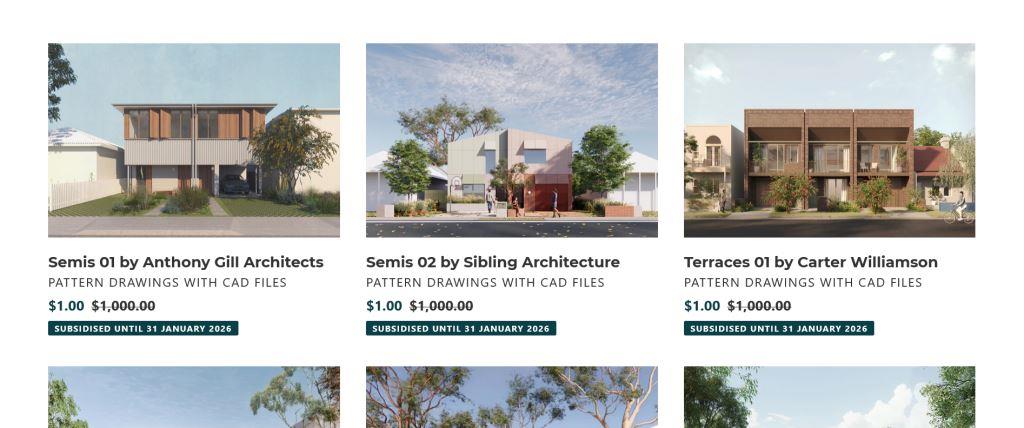


1. All aboard the “Dollar Deal” Promotion
The government promotes the designs as “available for $1”, however the Terms and Conditions suggest key obligations upon the recipient include:
- Mandatory engagement of an “Accredited Designer” to adapt the plans to site-specific requirements (Clause p.1).
- Additional fees per lot or building if used across multiple sites (Clause l).
- No ownership rights—developers cannot claim IP or modify designs freely (Clause j).
- No electrical or plumbing diagrams – It appears incumbent upon the applicant/developer to provide their own detail in this regard at added expense.
This “$1” claim is a headline-grabber, but the fine print imposes what could be substantial hidden costs, while ownership of the plans cannot be retained by the applicant as they remain licensed to the user only. Still, if the design fits to the proposed site, it could be a “money saver” in other ways, such as reduced DA and BA periods, efficient material take offs and detailed drawings.
2. Distorting the Construction Market
The government’s 10-day fast-track approvals for these designs is excellent, but could have some unintended consequences:
- Builder and Resource Shortages: With preferential treatment for these projects, builders and trades may be diverted from other developments, exacerbating existing shortages.
- Building Costs: As labor and materials shift toward government-favored projects, prices for non-pattern-book developments could be higher. The result remains to be seen, but increasing demand for builders will likely result by inflating housing costs overall.
- Choose Carefully – Quality & Aesthetics: The designs themselves are varied and applicable to standardised allotments. Some of the smaller multi unit designs are clearly uninspired, resembling austere, cookie-cutter housing. To avoid the risk of creating low-amenity, low-value precincts, we should hope that applicants choose a more street appealing design. Only then will the scheme result in “vibrant communities” as promised.
- Cookie Cutter Architecture: Most of the designs are not high end creations reminiscent of Vogue magazine feature spreads. Some of the facades lack street appeal, but keep in mind that these plans in our opinion are designed for “efficiency”, which at the end of the day, seeks to reduce the cost of the end product and provide livable abodes that meet more basic needs than the sophisticated needs we’re sold in Design and Real Estate magazines.
3. A Scheme Disguised as a Solution
This initiative could be accused of solving housing affordability rather than centralizing control of development and increasing profits for Architects and Government. Whilst support for the scheme has yet to be quantified by actual development approvals using the Pattern Book Designs, lower costs on the ‘input side’ will benefit the production of more homes in areas where its needed most. In addition to this, we need to see a significant reduction in costs on the ‘investment side’ so that ongoing rents are not inflated by excessive State and Local Taxes and ‘out of control’ body corporate management fees.
Conclusion: A Work in Progress, Heading in the Right Direction
This scheme is marketed as an affordable housing solution which may in fact serve to also funnel developers into a government-controlled pipeline of infill developments across the State. Applicants need to be aware of the potential hidden costs and restrictions that go with the scheme, however prepared plans up to January 2026 are only “$1” and the regulatory challenges of development approvals are to be allegedly ironed out by this scheme and the use of these plans.
The NSW Government need to be held accountable for the success or failure of this scheme, but they could go further an underpin the success of the scheme by eliminating Land Tax on residential investments, dropping fees and charges levied by Councils and State on the development, management and investment in real estate that aims to house more people. If the cost of holding property keeps increasing (rates, Body Corp levies and taxes) the benefit of such a scheme will be short lived and result in supplying housing to a constantly inflationary market that does not serve tenants and owner occupiers alike.
These potential market distortions could be solved upfront by addressing the Government fees and charges on the product being produced, but are we expecting too much from politicians? After all, they dont have a good track record when it comes to “schemes”. We trust the NSW Planning Department will make the necessary changes so that the intent and success of the scheme can be secured without inflating holdings costs on residential accommodation now and in the future.
REFERENCE:
https://shop-pattern-book.planning.nsw.gov.au
https://www.planning.nsw.gov.au/government-architect-nsw/housing-design/nsw-housing-pattern-book